Unveiling the Papacy: Pope Leo XIV’s Historic Election

Welcome back to the Extra Edition newsletter! I’m excited to bring you bonus content each month with a special inside look at my novels and the history behind them.

While most of the main characters in my novels are Catholic Christians, many of my readers are not. Therefore, with the recent historic announcement of Pope Leo XIV as the first American-born pope and Peruvian citizen, I thought it would be interesting to look at some topics related to the Catholic Papacy. Please note that I am not a theologian. For more details, I recommend talking to your local Catholic clergy.

In this Edition:

Quick Facts About the Papacy

Does the pope need to be a cardinal before election?

Do cardinals campaign to be pope or side with political parties?

Do Catholics believe the pope is infallible?

Is the movie Conclave accurate of the actual Conclave?

Bonus – Do Catholics worship Mary?


Quick Facts About the Papacy
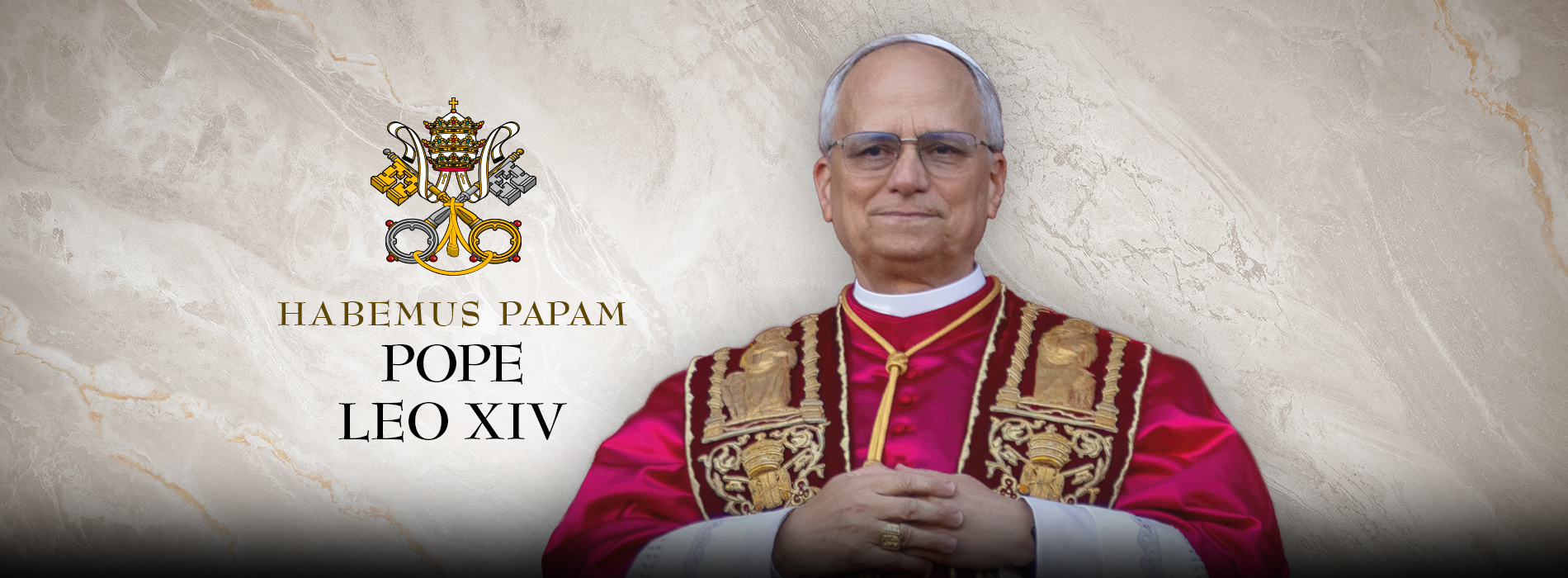
Photo from EWTN.com
  1. The pope (aka the Supreme Pontiff, the Vicar of Christ, the Bishop of Rome, and the Successor of Peter) leads the Roman Catholic Church (over 1 billion people) from the tiny country of Vatican City in Rome.
  2. Pope Leo XIV is the 267th pope in an unbroken line since St. Peter. Of those, 82 are canonized saints; 31 are martyrs.
  3. The Papal Conclave (the meeting where the pope is elected) occurs in the Sistine Chapel adjacent to St. Peter’s Square. Tradition holds that St. Peter was crucified upside down in this square and is now entombed in St. Peter’s Basilica, also adjacent to the square.
  4. Pope Leo XIV was elected on May 8, 2025, the feast of the Apparition of St. Michael the Archangel to Pope Leo XIII, who penned the St. Michael the Archangel prayer to help defend the Church and her believers from demonic attacks.
  5. Pope Leo XIV’s papal motto comes from St. Augustine and is, “In Illo uno unum,” which translates to, “In the one Christ, we are one.”

Does the pope need to be a cardinal before election?
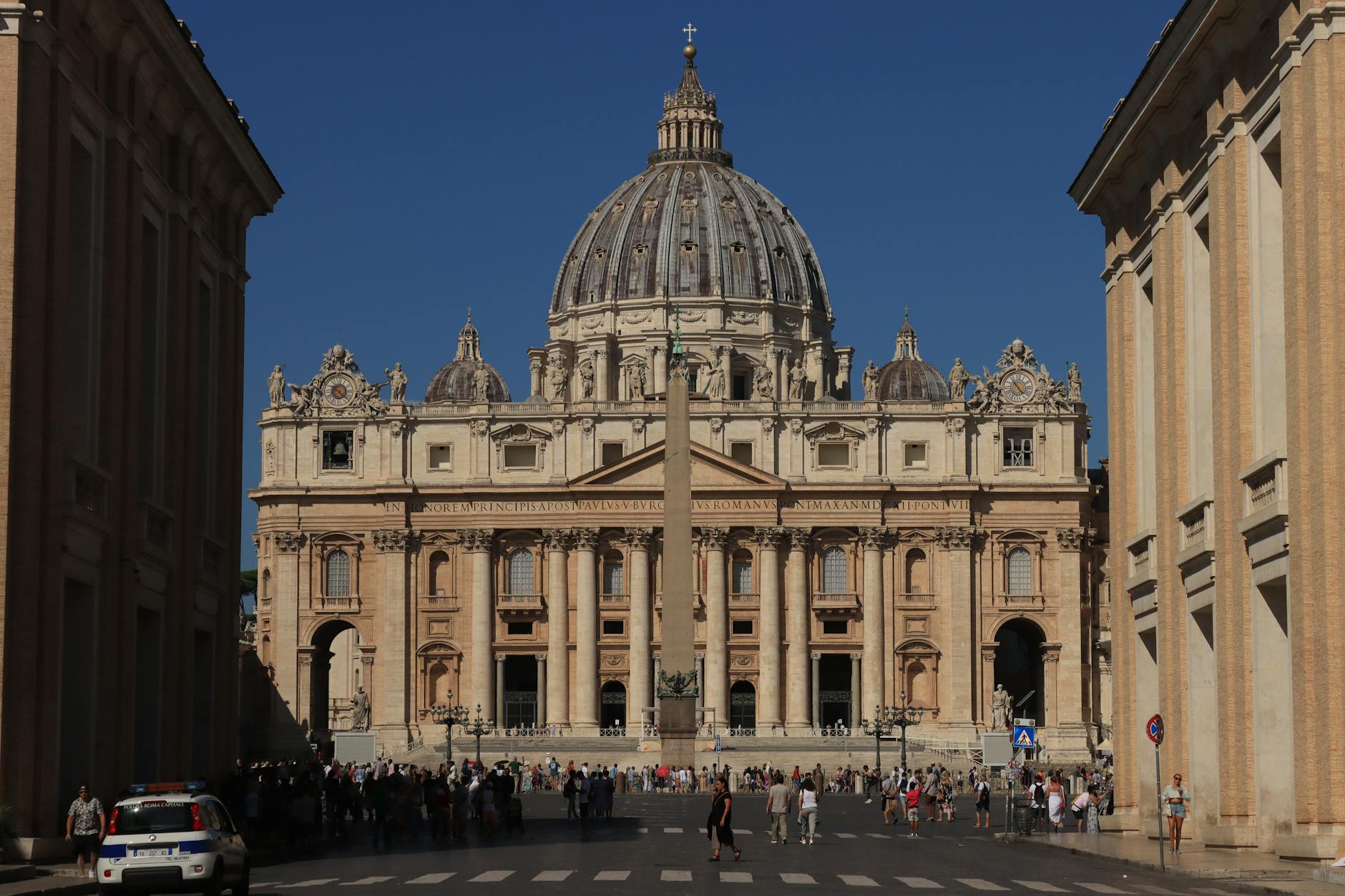
Photo by Efrem Efre on Pexels.com

First, let’s clarify what is meant by the title of cardinal. This is the highest pre-papal level of church leader and is appointed by the pope. Prior to being elected, most popes are priests, then bishops, then cardinals; however, the only official requirement to become pope is to be a baptized male. The last non-Cardinal pope was Pope Urban VI in 1378. For a full list of all 267 popes from Peter to Leo XIV, visit the Vatican’s website.

Do cardinals campaign to be pope or side with political parties?

No. The pope is ultimately chosen through each individual cardinal’s prayerful consideration and subsequent voting. 2/3 agreement must be reached to elect a new pope. Church leaders, whether they’re deacons, priests, bishops, cardinals, or the pope himself are called to teach what the Church teaches, including those topics related to political and/or moral issues. Sometimes those fall in line with a particular political party and sometimes they don’t, but no specific party is endorsed by the Church. Church leaders can speak out against a specific politician, law, or policy if it is leading people away from Church teaching, for example, in the case of abortion. However, people do not always behave as they should, so, it’s also important to become familiar with Church teaching through independent study. The Bible in a Year and Catechism in a Year studies are excellent resources.

Do Catholics believe the pope is infallible?

Photo by Aliona & Pasha on Pexels.com

Sort of and only in rare instances. CatholicAnswers.com sums this up pretty well: “An infallible pronouncement—whether made by the pope alone or by an ecumenical council—usually is made only when some doctrine has been called into question. Most doctrines have never been doubted by the large majority of Catholics.”(1) This is known as the pope speaking Ex cathedra, a term that means “from the chair [of St. Peter].” When this happens, the pope prays for the intercession of the Holy Spirit and takes time to come to a decision before making an Ex Cathedra declaration. This is the only time the pope, through the Holy Spirit, is considered infallible. It is so rare that it’s only occurred twice in the last two centuries.

To be very clear, Ex Cathedra does not mean that every time the pope speaks, he is speaking infallibly. For example, when he speaks with the media, gives a homily, or has dinner with friends. One would expect him, even at these times, not to cause a scandal, but unfortunately, some popes throughout the Church’s 2,000 year history have. Therefore, it is important to pray for all church leaders so that, as Matthew 26:41 says, they “may not undergo the test. For the spirit is willing, but the flesh is weak.”

Is the movie Conclave accurate of the actual Conclave?

I will be honest, I haven’t watched the movie, but I really liked the two reviews below because of the deeper messages they present about the Church and the Conclave process. I follow both of these priests regularly and trust their judgement.

Fr. David Michael Moses Review

Fr. Mike Schmitz Review

Do Catholics worship Mary?

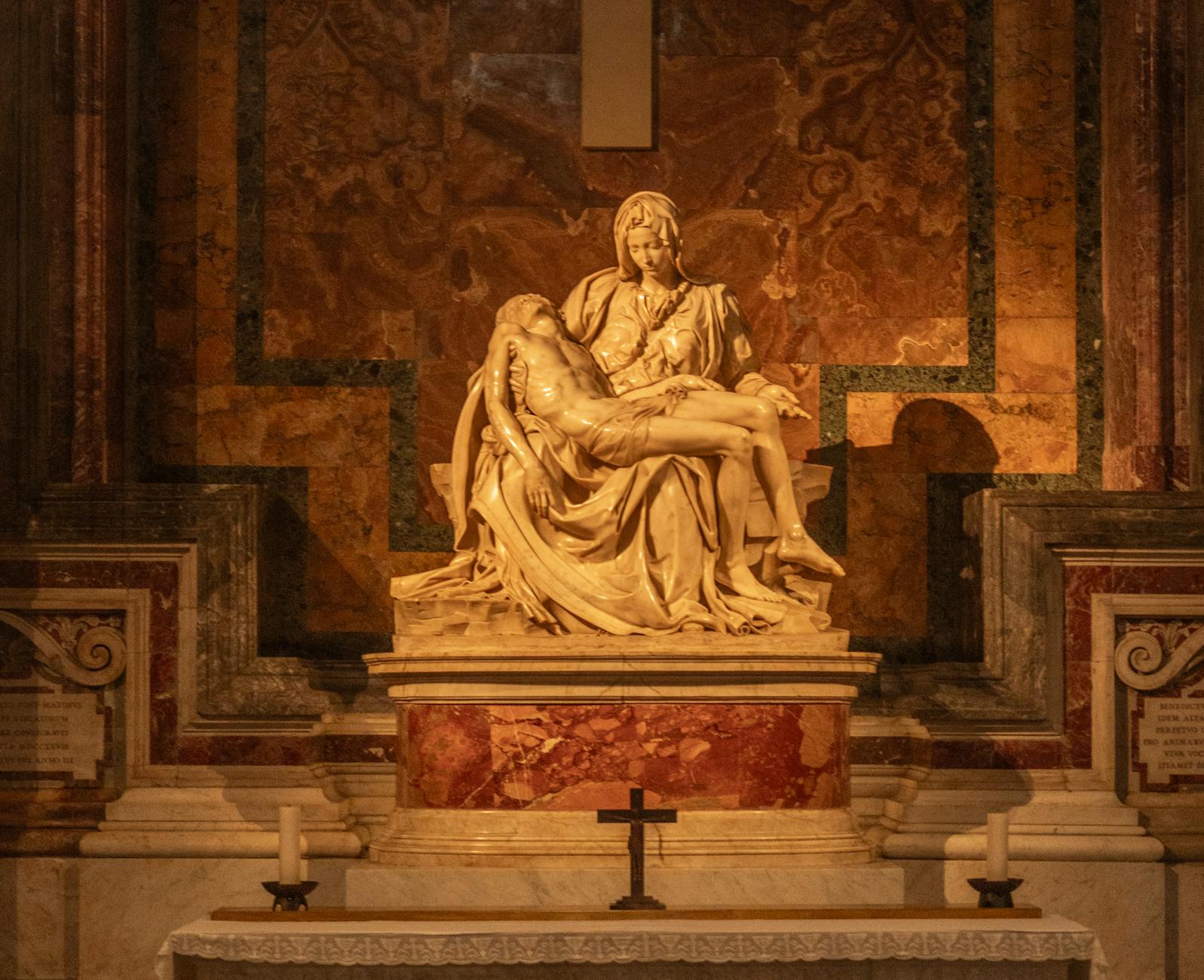
Photo by Damir K on Pexels.com

This one isn’t related to the papacy, but it’s the #1 question I’m always asked by non-Catholics, so I think it’s important enough to include.

Catholics do not worship Mary and they never have. Catholics honor Mary as Jesus’s mother, as someone who knew Him intimately, followed Him completely, and leads us back to Him. We ask her to intercede to Jesus for us, praying for us as anyone on earth would pray for us. At the wedding at Cana, she told the servants, “Do whatever he tells you,” which is the same message she still gives us today. On Calvary, Jesus gave His mother to the Church when He said to John, “Behold, your mother,” and to Mary, “Behold, your son.” He honored Mary and asked that we honor her as well.

Mary is a beautiful example of what following Christ should look like. St. Maximilian Kolbe, a priest and WWII martyr, once said, “Never be afraid of loving the Blessed Virgin too much. You can never love her more than Jesus did.”(2) I could give a thousand other quotes, but here are just a few to emphasize why Mary is so important:

Pope Saint John Paul II – “The Blessed Mother has been given to us as a model in our pilgrimage of faith. From Mary we learn to surrender to God’s will in all things. From Mary, we learn to trust even when all hope seems gone. From Mary, we learn to love Christ, her Son and the Son of God. For Mary is not only the Mother of God, she is Mother of the Church as well.”(3)

St. Augustine, Bishop of Hippo – “Didn’t the Virgin Mary do the will of the Father? I mean, she believed by faith, she conceived by faith, she was chosen to be the one from whom salvation in the very midst of the human race would be born for us, she was created by Christ before Christ was created in her. Yes, of course, holy Mary did the will of the Father. And therefore it means more for Mary to have been a disciple of Christ than to have been the mother of Christ. It means more for her, an altogether greater blessing, to have been Christ’s disciple than to have been Christ’s mother. That is why Mary was blessed, because even before she gave him birth, she bore her teacher in her womb.”(4)

And finally, in Pope Leo XIV’s first papal address, he said, “Our Mother Mary always wants to walk at our side, to remain close to us, to help us with her intercession and her love.”(5)


Until next time, happy reading!
Ad Majorem Dei Gloriam
Kelsey

Purchase signed copies of my books: kelseygietl.com
Follow me on:
1454549143-1454549143_goodreads_misc
BB 96x96 S
COPYRIGHT © KELSEY GIETL 2025

Purple Mask Publishing

2025 Zumbehl Rd, Ste. 33

St. Charles, MO 63303

Top Ten Tuesday – Authors Who Live in Missouri

Happy Tuesday, readers! Today’s Top Ten topic is “Authors Who Live in My State.” I’m born and raised in the great “Show me State” of Missouri and I’m happy to recommend the following authors who are from here, too.

  • Susan Laspe – Historical Fantasy
  • Tara Grace Ericson – Contemporary Romance
  • Sarah Hanks – Historical Fiction/Split Time/Time Travel
  • Stephanie Daniels – Historical Fiction
  • Julie Lessman – Historical Fiction
  • Annie Cosby – Fantasy
  • Liz Morrison/Costanzo – Historical Romance and Reincarnation
  • Heather Manning – Historical Fiction/Time Travel
  • Diana Lesire Brandmeyer – Historical Fiction, Contemporary Romance
  • Laura Ingalls Wilder – Pioneer Fiction/Non-Fiction

Have you read any of these? Are there any other Missouri authors you’d recommend?

*Top Ten Tuesday is a weekly blog challenge hosted by Jana at That Artsy Reader Girl.*

COPYRIGHT © KELSEY GIETL 2025

Behind the Scenes of My Next Novel: Insights from an Asylum Tour

Happy May, readers! I’m really excited to finally share what I’ve been up to the last few months so let’s dive right in.

What’s in this Edition:

Investigating the Insane – My Visit to the Historic St. Louis Asylum

Releasing in May– Other authors’ new releases I’m most excited about

Investigating the Insane

You may have guessed from my research books that my next book will take place primarily in an asylum. Specifically, it will be based in the fictional town of Hawthorn Ridge, Missouri, where my book For a Noble Purpose also begins (otherwise, the two books are not connected). While the asylum itself is fictional, I’m taking inspiration from the several Missouri institutions that were open at the time.

Last month, I was able to go on a tour of the original St. Louis City Insane Asylum (later, known as the City Sanitarium, St. Louis State Hospital, and the St. Louis Psychiatric Rehabilitation Center), and now serving patients in a different building as the St. Louis Forensic Treatment Center. Their archivist, Andrea, provided interesting insights into the workings of the asylum throughout its history and how it works today.

A Brief History

Similar to other Missouri asylums in the mid-1800s, the belief at the St. Louis Insane Asylum was that if you took people out into the middle of nowhere, the fresh air and slower lifestyle would improve their mental state and help them get well. (Really, not a bad idea even today.) Therefore, even though the asylum is now situated in the middle of a bustling city, in 1869, it was far outside it. The original building, which I toured, is the only surviving building from what would become a small city of operations that included a functioning coal plant to produce electricity, fields to grow food for the patients and workers, a hospital, a poorhouse, a facility specific to women, another specific to children, and much more. For all intents and purposes, at the beginning, their plan worked. Many people did get better or at least had improved quality of life during their stay. However, there were many afflictions that had no cure or good treatments at the time. Even with the best of intentions, many patients never left the asylum.

Below you can see the main building from 1870 the year after opening, then 1890, 1905, and 120 years later in 2025. Note the power plant in the second photo and how the columns on the front entry changed size over time.

Asylum in 1870
Asylum in 1890 with Power Plant
Asylum in 1905
Asylum in 2025

In the late 1800s, after Nellie Bly and many other journalists ran exposes on the atrocious conditions in asylums, society became concerned about all asylums and rightly so. An undercover expose was completed at the St. Louis Insane Asylum and thankfully, received a mostly positive review. While the journalist mentioned extreme overcrowding and terrible food, they also noted that the patients were well cared for and that the staff seemed to treat them with kindness.

A building originally intended for 200+ patients now housed over 1,000. More room was needed, so in 1911, a construction plan began. By 1918, the building had grown to what you see below. Hawthorn Asylum’s size will be somewhere in between.

Asylum in 1918

Unfortunately, with more patients being regularly admitted than there was space, and many never leaving, this plan only went so far. At several points throughout its history, the tiny room below housed as many as three people, and unlike a college dorm room, there was no option to bunk the beds.

A typical patient room

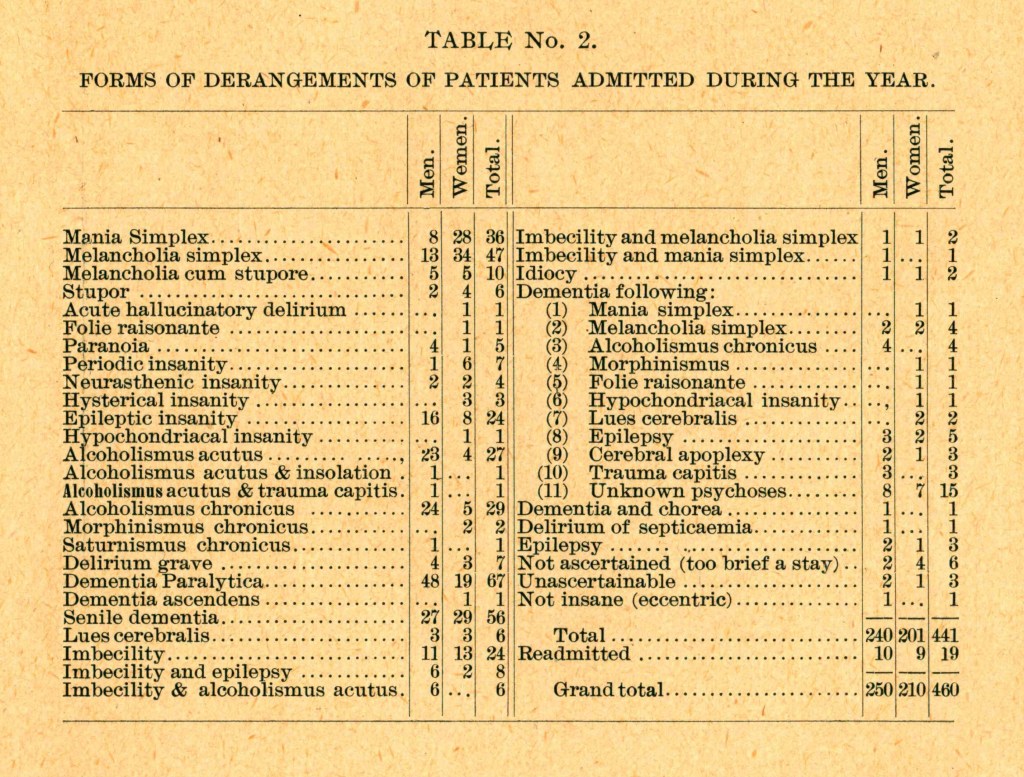
So, why were patients admitted? Honestly, for just about anything. There were real diagnoses such as we would think of today: depression (melancholia), bipolar (mania), alcohol and drug dependency, schizophrenia, and epilepsy, but also things like imbecility and hysteria which could cover a vast range of real and embellished disorders, especially those that went against social norms. Unruly wives, anyone who was too “spiritual,” and those with what we would consider developmental or learning disorders (for example autism, down syndrome, or dyslexia) could be candidates for admission. The table below outlines the reasons for admission in 1908. Note that 460 people were admitted that year alone, including 19 readmissions.

1902 Reasons for Admission

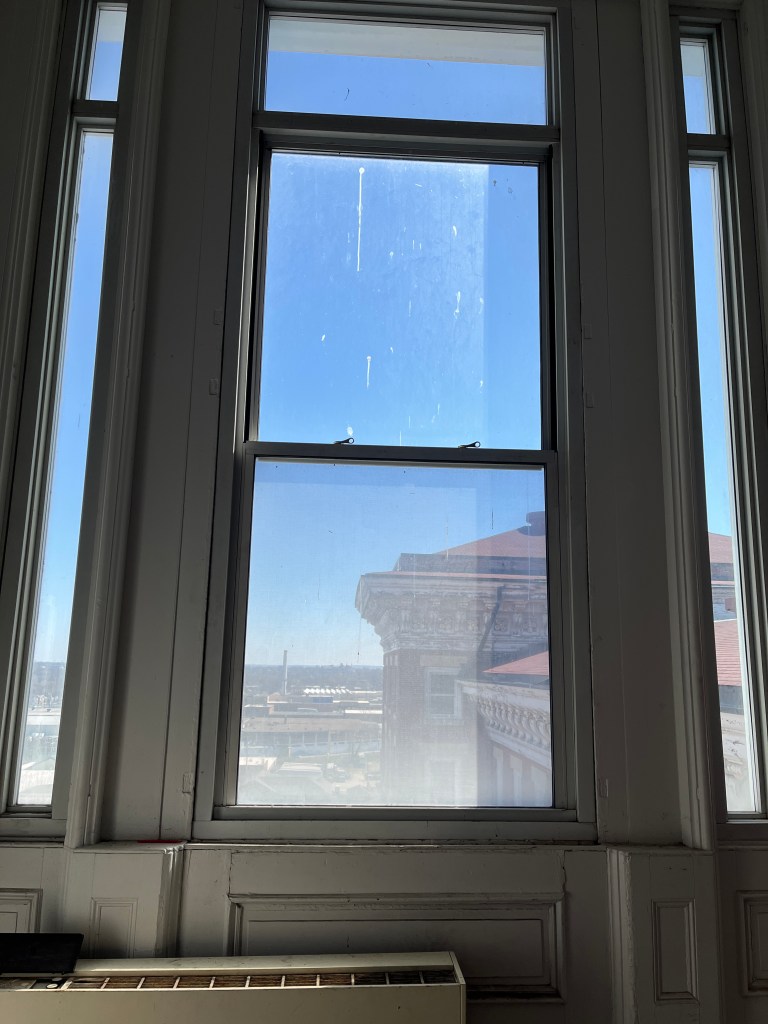
Even with the overcrowding, the asylum staff worked to make life pleasant for their patients. They hosted many events including picnics on the front lawn and dances in the fifth floor ballroom. Unfortunately, the ballroom is all but lost to time, so I was unable to get photographs there, but off the ballroom was a spiral staircase leading to the central dome which had some great views of the surrounding area. Back in the day, this would have been a popular tourist destination as well, with visitors (and staff) literally leaving their mark on the walls.

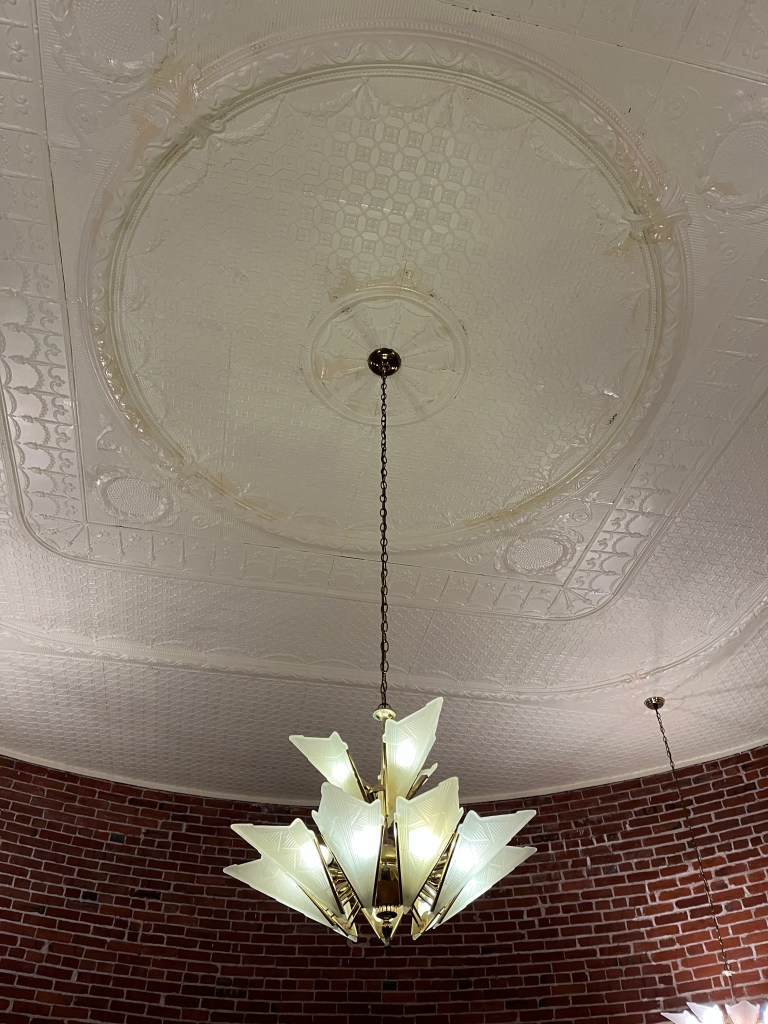
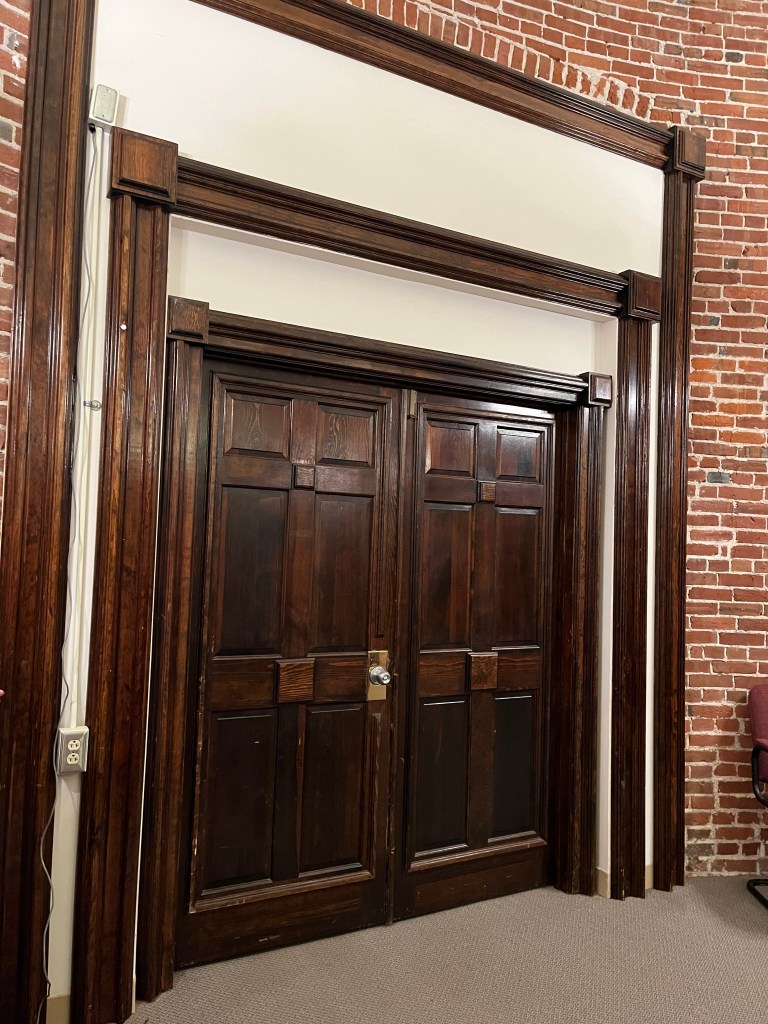
Below are a few more photos of the original architecture. Check out how tall the original doors were and how they framed them down over time. Also, the art deco lighting fixtures and 1930s stamped ceilings were so cool.

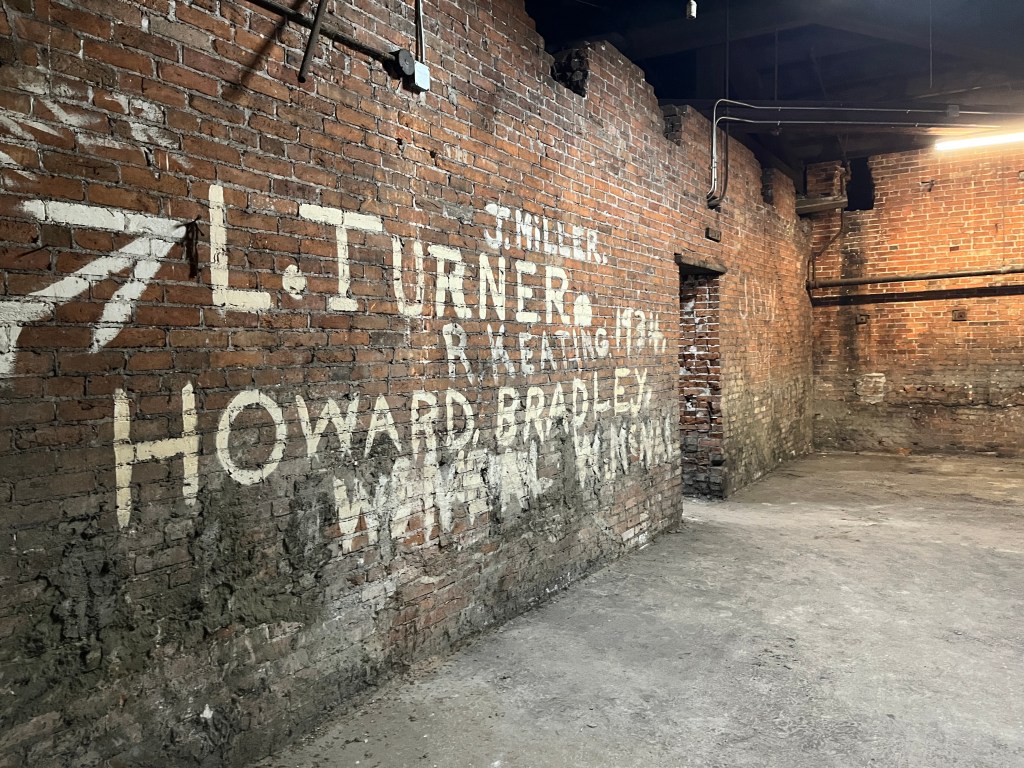
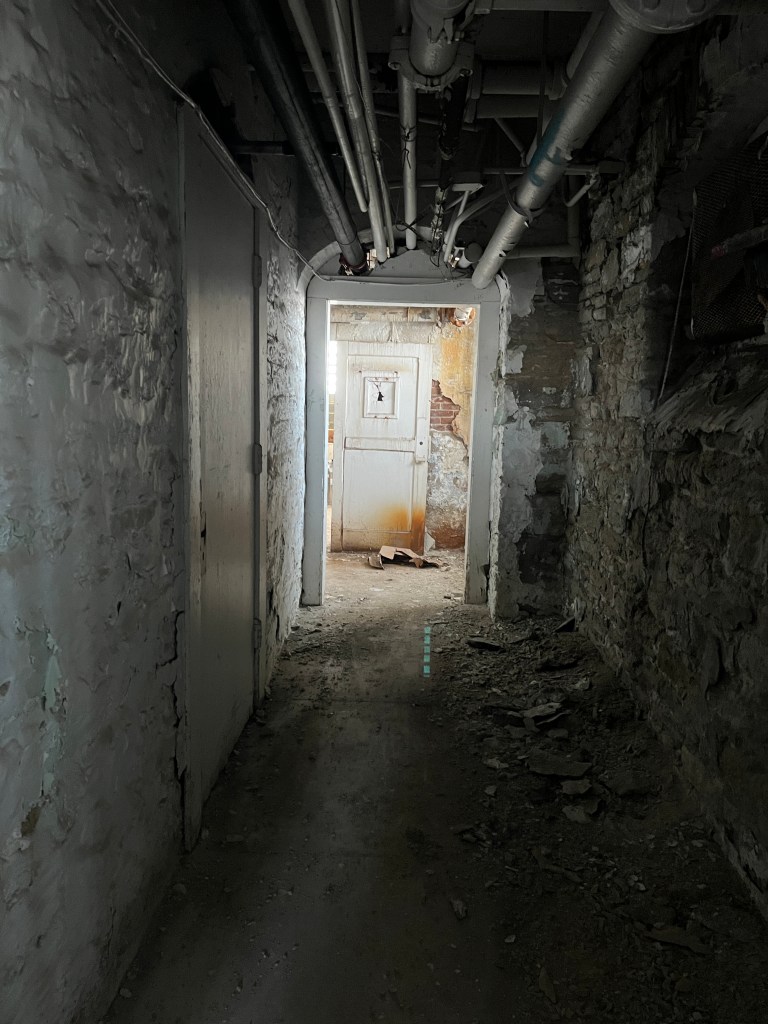
Finally, because everyone expects there to be creepy photos when you visit an asylum, here are a few from the basement, which really wasn’t all that creepy. The photo on the left led from the dentist office to other medical offices and the kitchens. The one on the right shows the arched supports that hold up the building. This area would have looked a lot nicer when the building was still in use by patients, with some parts having had a wood planked floor and ceiling. Now, the upper floors hold administrative offices, archives, and storage.

It’s been so interesting to dive into the history behind this asylum for my next novel, and I’m looking forward to merging many of the things I’ve learned with what my characters experience. If you’re ever in St. Louis, I highly recommend scheduling a tour. For more information, visit: https://dmh.mo.gov/ftc/history.

Releasing in May

Need another read? Here are the new releases I’m excited about:

  1. The Fire of Your Love by Erin Lewis – Having gone from criminal to Catholic convert, a young seminarian must determine if he can overcome his past in order to give God his future. This is book 3 in the series; I highly recommend reading them in order.
  2. Secret Dwellings by Angela Salvaggio – Amidst intrigue, escapades, romance, danger, and blackmail during the Protestant Reformation, a young woman is asked to lay down her life for another in a most unusual way.
  3. Gather Together by Allison Ramirez – The second book in her devotional series focusing on the luminous mysteries of the Rosary as invitations to intimacy
  4. Forest of Truth by Megan Lynn Rose – The exciting conclusion to her Broken Kingdom romantasy series
  5. The Bootlegger’s Betrayal by Tanya E. Williams – In the 1960’s, a journalist comes to report on the Bootlegging Queen’s Prohibition arrest, but there may be far more to the story than she ever imagined.

Want to know what I’m currently reading? Follow me on GoodReads.

Did you know reviews help both readers and authors? Even one sentence is enough, and every word greatly appreciated. Consider leaving a rating on Amazon, Goodreads, BookBub, and/or your favorite retailer!


Until next month, happy reading!
Ad Majorem Dei Gloriam
Kelsey

Purchase signed copies of my books: kelseygietl.com

Follow me on:
1454549143-1454549143_goodreads_misc
BB 96x96 S
COPYRIGHT © KELSEY GIETL 2025

Purple Mask Publishing

2025 Zumbehl Rd, Ste. 33

St. Charles, MO 63303

Top Ten Tuesday – Books with “Lost” in the Title

Happy Tuesday, readers! Today’s Top Ten topic is “Words with _____ in the Title.” When browsing the list of books I’ve read, I noticed that there are a lot with the word “lost” in the title. While I enjoyed all these stories, I will note that they are not all Christian Fiction and some include scenes my clean readers may not care for. I’ve marked those with a * below.

  • Lost in Wonder by Liz Chapman
  • The Living and the Lost by Ellen Feldman*
  • Lost Girl by Chanda Hahn
  • Where the Lost Wander by Amy Harmon
  • The Lost Girls of Paris by Pam Jenoff*
  • The Lost Melody by Joanne Davidson Politano
  • The Lost Wife by Alyson Richman*
  • The Light We Lost by Jill Santopolo*
  • The Lost Boys of Barlowe Theater by Jaime Jo Wright
  • The Souls of Lost Lake by Jaime Jo Wright

Have you read any of these? Are there any other “lost” books you’d recommend?

*Top Ten Tuesday is a weekly blog challenge hosted by Jana at That Artsy Reader Girl.*

COPYRIGHT © KELSEY GIETL 2025

My Very First Cover Design: The Evolution of Across Oceans

Welcome back to the Extra Edition newsletter! I hope everyone had a very blessed Easter. I’m excited to bring you bonus content each month with a special inside look at my novels and the history behind them.

Behind the Design of Across Oceans

I recently reread my first published novel, Across Oceans, and realized how far I’ve come as an author and cover designer. Since that first design, between my own books and other authors, I’ve created hundreds of different versions of covers, most of which are never shown to the readers. (You can see the ones that made the cut here.) So, today, I thought it would be fun to share the design process for Across Oceans including all three “final” versions.

Version #1 – “The Suitcase”

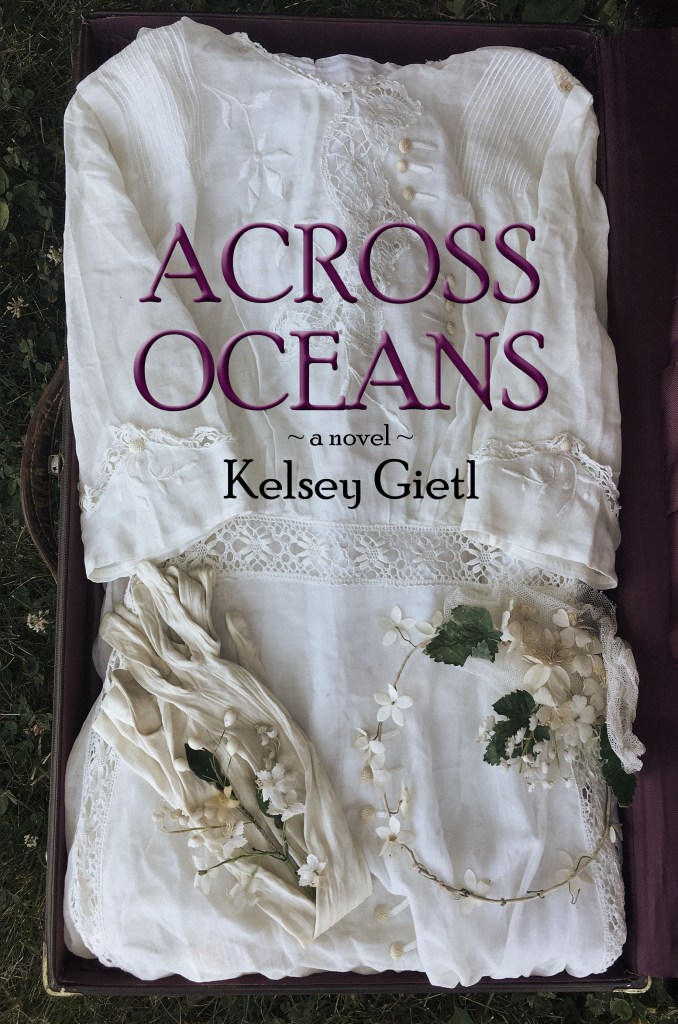
Across Oceans takes place in the early 1910s, the exact same time that my great-grandmother was married and luckily for me, I still have her wedding dress. Since the story involves travel, I also wanted to incorporate my grandmother’s antique suitcase. Here are some of the photos from the first photo shoot:

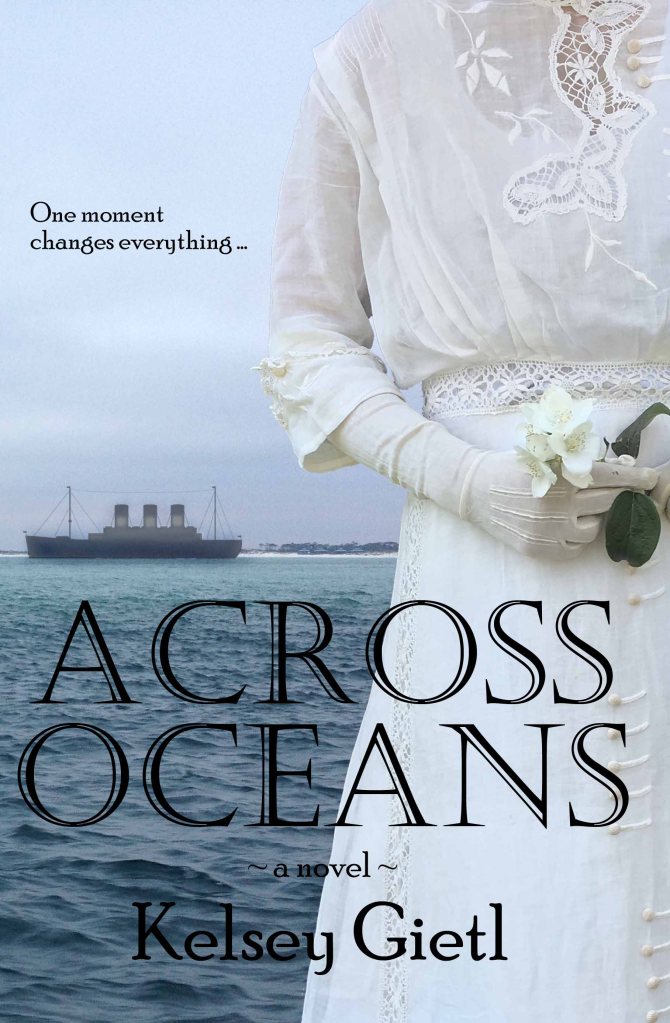
Here is how the first cover turned out – my great-grandmother’s wedding dress, gloves, and headpiece inside my grandmother’s suitcase. I was in love with this design. It had exactly the romantic feel and nostalgia I was going for. I even printed a proof copy and still thought it was great.

Then I showed it to my beta readers, and their comments shattered all those warm fuzzy feelings I had. “It’s a great first try.” “It’s boring.” “It looks like an indie cover, you need something more professional.” “The font is, um, ok, I guess.” “The font is definitely wrong.” “Where’s the ocean?” I’ll admit, I was initially overwhelmed, but I picked myself up, reviewed a LOT of historical fiction covers, opened a blank file, and started again.

Version #2 – “Make It Blue”

Photo shoot #2 took a different approach. I realized that readers, especially romance readers, tend to prefer people on the cover. But this was my first book, stock photos were expensive (and still are), and I didn’t yet understand all the nuances of copyrights and acceptable stock sites. Therefore, across my first four books, I only used photos that belonged to me. For Across Oceans, I was the model in my great-grandmother’s wedding dress and my daughter took the photos. Here are a few of the many photos we took:

Despite my love of the suitcase, it didn’t fit the cover and was eventually nixed. I blended the colors on the dress, added an ocean photo I had taken in Florida for the background, drew a ship in Photoshop, added a tagline, and found a better font. I was once again in love with the cover, especially after I received the green light from beta readers. I approved my proof and uploaded it for publication.

Version #3 – “Make it Pink”

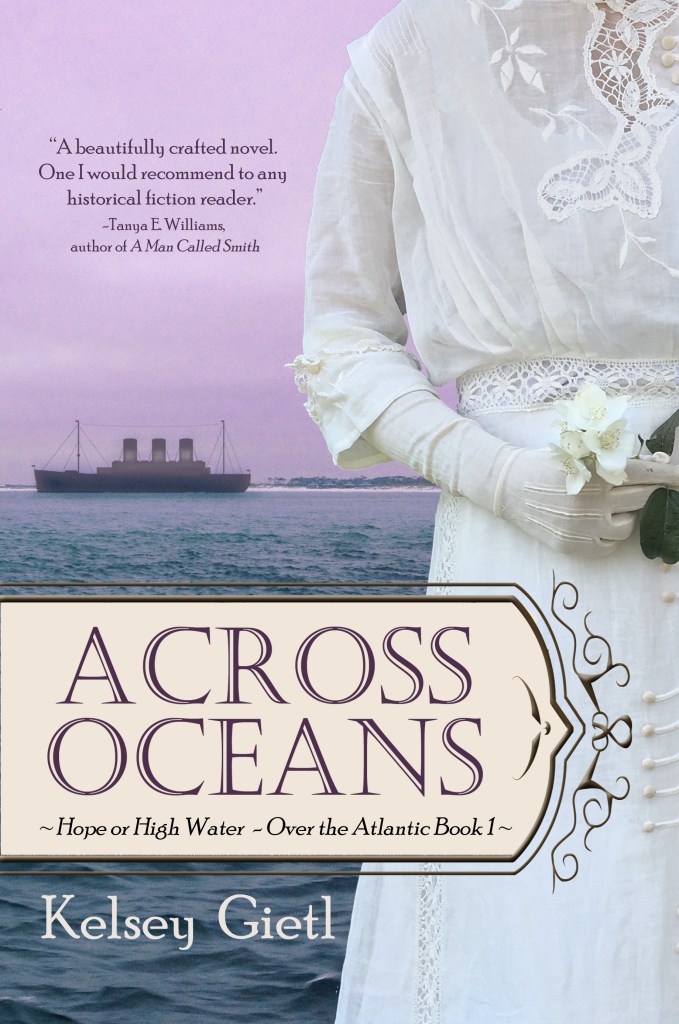
But over the next six months, I kept looking at that cover and started feeling that something was off about it. I just couldn’t figure out what. Then one of my beta readers said to me, “Maybe because it’s so blue?” It was like a light went off. She was right! All the colors blended together. It didn’t stand out when compared to other book covers. I did some more research and learned that adding a pop of color (especially a shade of red) is more likely to draw a reader’s eye. So, I changed the sky to a pinkish purple, added a background and border to the title, and swapped out the tagline for an author endorsement to better fill the space. Across Oceans also received a new series title: Over the Atlantic.

Voila! Here is the cover that has been used ever since:


Until next time, happy reading!
Ad Majorem Dei Gloriam
Kelsey

Purchase signed copies of my books: kelseygietl.com

Follow me on:
1454549143-1454549143_goodreads_misc
BB 96x96 S
COPYRIGHT © KELSEY GIETL 2025

Purple Mask Publishing

2025 Zumbehl Rd, Ste. 33

St. Charles, MO 63303
Kelsey Gietl - Author

Historical Fiction with a Dose of Romance and a Dash of Intrigue

Skip to content ↓