Happy February, readers!
What’s in this Edition:
- Writing Update – Help name Astonished‘s Ladies League
- Upcoming Events – Where to find me in 2026
- Recent Reads I Recommend – My favorite reads from last month.
- A Little Non-Bookish Delight – A Faithful Subscription Box
Help Name Astonished‘s Ladies League

Astonished is progressing well with completed chapters nearing the 75% mark. Then comes a full edit, my favorite part! I’ve been doing small edits throughout, but it’s always exciting to go back to the beginning and add little things that bring all the pieces together. I also figured out how to work the final climactic scene, which helped to shape a few characters earlier in the novel.
Now here’s where I need your help. Within the book, our FMC Avila, her sister Callie, her mother, and their friends are all part of a well-respected women’s social society in 1914 Hawthorn Ridge, Missouri. The semi-rural town is fictional as is the group. They plan social events, do charity work, and get together for tea and to talk. Think of groups like the Daughters of the Revolution, The Junior League, Knights of Columbus Ladies Auxiliary or various Ladies Leagues. This group plays a significant role within the story and may possibly play a role in future books (still deciding on that). My question is, “What should I name the group?”
Originally, I had chosen the Hawthorn Society Sisters. Then I realized that it doesn’t make sense to always refer to them by their full title, but rather as just “the sisters.” The problem is there are also actual sisters, Avila and Callie, along with references to the religious sisters who work in the asylum. Very confusing for readers. The current working name became The Hawthorn Ladies League.
What do you think I should name them? Reply with your suggestions. If chosen, you’ll get a shout-out in the book’s acknowledgements. Thank you in advance!
Upcoming Events
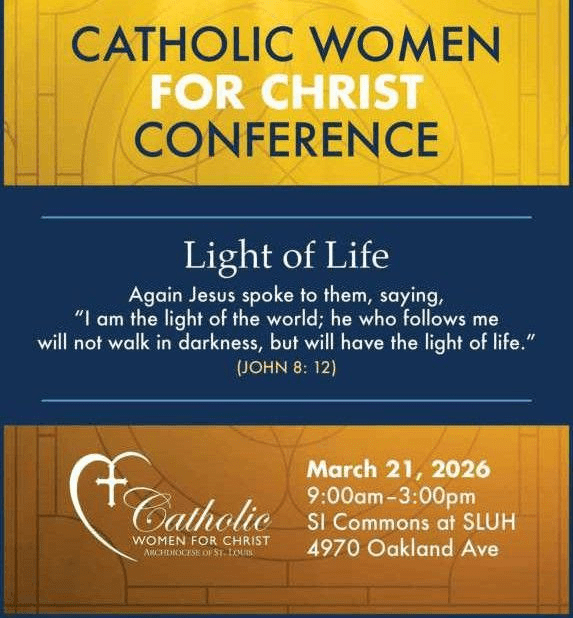
Mark your calendars! Here’s where you can find me and my books in 2026, including the opportunity to pre-order Astonished. All events are in partnership with historical fantasy author, Susan Laspe. As additional events are scheduled, I’ll add details on my website.
- Catholic Women for Christ Conference – March 21, 2026 – St. Louis University High School – Requires advanced registration.
- Incarnate Word Academy Spring Boutique – April 23, 2026 – St. Louis, MO – Requires advanced registration.
- Elks Lodge 2587 Craft Fair – July 18, 2026 – O’Fallon, MO
- St. Joseph Catholic School Craft Fair – October 10, 2026 – Cottleville, MO
- Francis Howell High Band Craft Fair – December 5, 2026 – Weldon Springs, MO
Recent Reads I Recommend
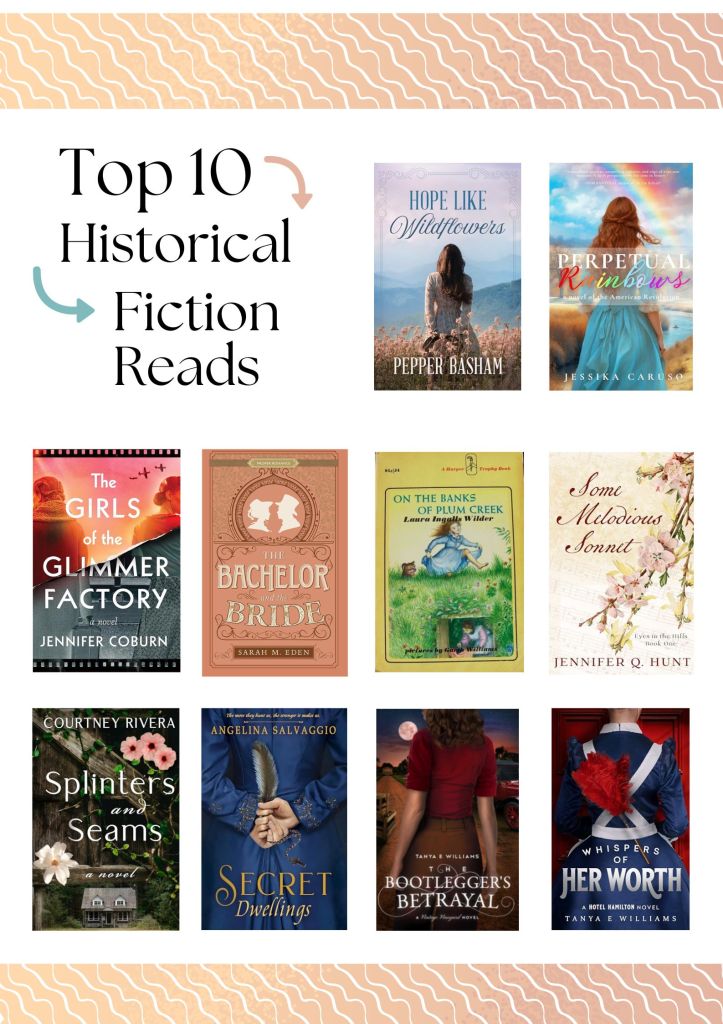
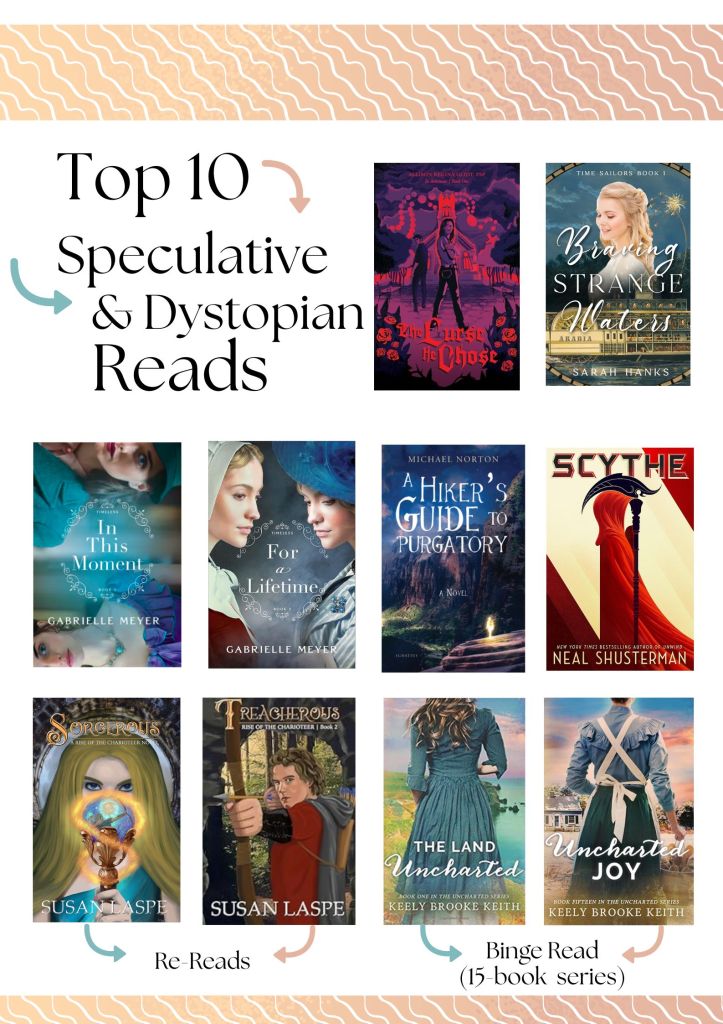
Need another book for your TBR? Of course you do. Here are the books I’ve recently read and loved. (Note: I receive no compensation for featuring the books below.)

I don’t typically read vampire stories, but I would give Sister Allison Regina Gliot’s In Aeternum series all the stars if I could. I loved the way the author framed vampire Christopher’s complicated being, a creature trapped between past, present, and future, between what he desires and what he feels he deserves. Faith and fiction fit together in a way that seems absolutely logical and emotions run high throughout. I wish all vampire novels were like this one. Actually, I wish all Catholic Christian Fiction proclaimed our faith so beautifully as this one does. It’s like a love note to the Eucharist and the belief that no one is too far gone to come home again. The final book releases in July and I am eagerly waiting to pre-order.
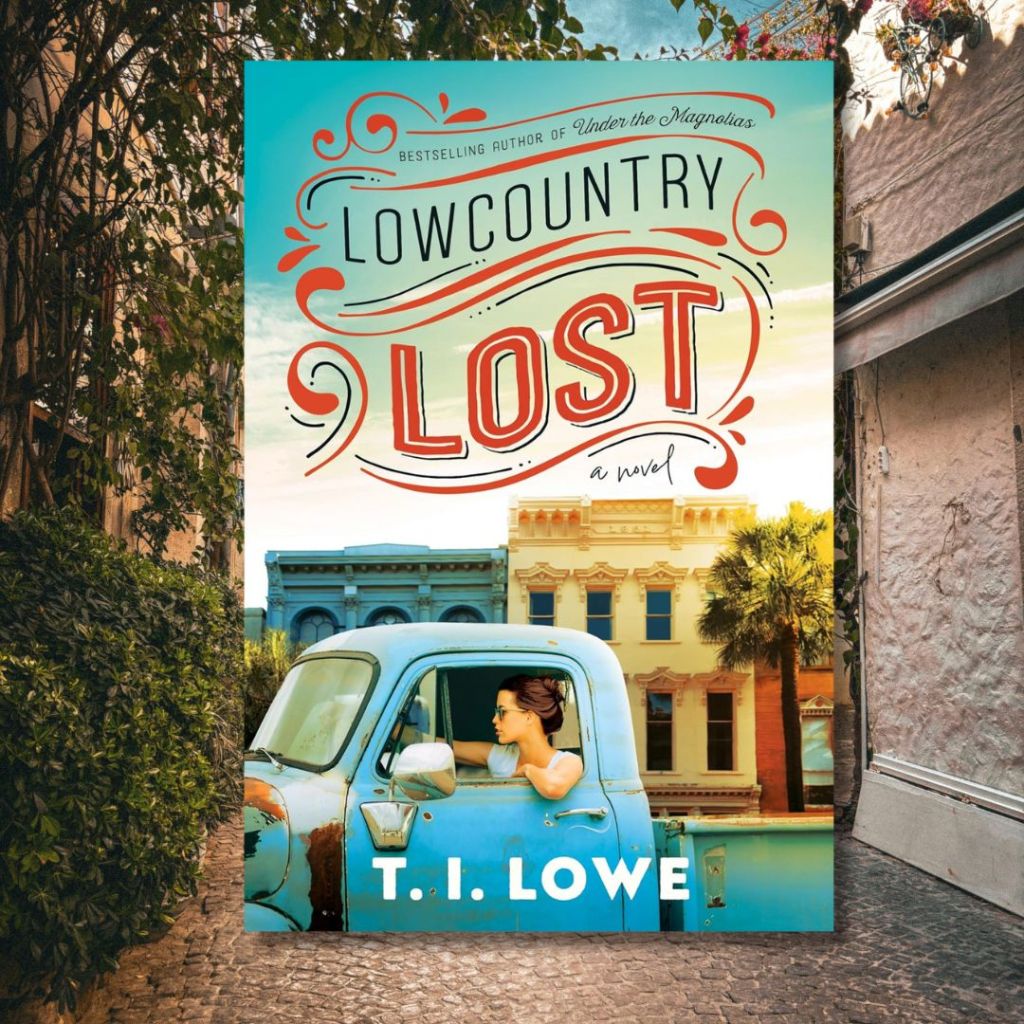
Lowcountry Lost by T.I. Lowe focuses on a 30-something woman working to restore a ghost town who is unexpectedly faced with her ex-husband as part of the construction team. Marriage reconciliation stories are some of my favorites. It’s easy to get together, but not so easy to stay together, as the characters in this book demonstrate. In the first few chapters, we learn that Avalee and Rowan ended up getting divorced because they suffered multiple miscarriages. Instead of going through the pain together, they kept it inside, and as a result, lost the love they shared. As someone who went through two miscarriages, I found the emotions expressed to be raw, real, and relatable. A solid 5 stars.
Did you know reviews help both readers and authors? Even one sentence is enough, and every word greatly appreciated. Consider leaving a rating on Amazon, Goodreads, BookBub, and/or your favorite retailer!
Want to know what I’m reading as I’m reading it? Follow me on GoodReads.
A Little Non-Bookish Delight
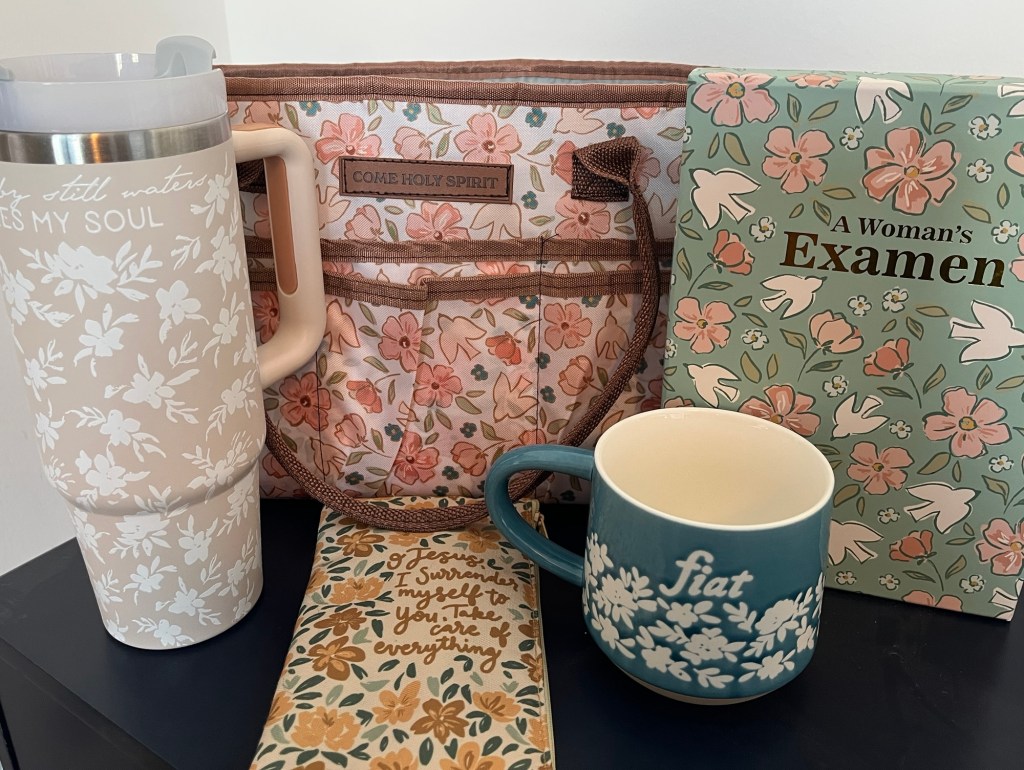
Last but not least, here’s something non-bookish that I’m loving. The Little Rose Shop, a Catholic online small business, offers a $20 monthly surprise box where you can receive their newest products before they hit the website. In the past two years with the program, I’ve received t-shirts, stainless steel tumblers, a nativity scene, table runners, a journal, aprons, purses, a wooden prayer card box, and more. Some products I like more than others, but I love that all of them celebrate my faith at a discounted price. They’re raising the price on February 4, so now is the best time to lock in your subscription at $20. (Note: I receive no compensation for promoting The Little Rose Shop. I just really like their products.)
Until next month, happy reading!
Ad Majorem Dei Gloriam
Kelsey
Purchase signed copies of my books: kelseygietl.com
Follow me on:



COPYRIGHT © KELSEY GIETL 2026
Purple Mask Publishing
2025 Zumbehl Rd, Ste. 33
St. Charles, MO 63303