Happy May, readers! I’m really excited to finally share what I’ve been up to the last few months so let’s dive right in.
What’s in this Edition:
Investigating the Insane – My Visit to the Historic St. Louis Asylum
Releasing in May– Other authors’ new releases I’m most excited about
Investigating the Insane
You may have guessed from my research books that my next book will take place primarily in an asylum. Specifically, it will be based in the fictional town of Hawthorn Ridge, Missouri, where my book For a Noble Purpose also begins (otherwise, the two books are not connected). While the asylum itself is fictional, I’m taking inspiration from the several Missouri institutions that were open at the time.
Last month, I was able to go on a tour of the original St. Louis City Insane Asylum (later, known as the City Sanitarium, St. Louis State Hospital, and the St. Louis Psychiatric Rehabilitation Center), and now serving patients in a different building as the St. Louis Forensic Treatment Center. Their archivist, Andrea, provided interesting insights into the workings of the asylum throughout its history and how it works today.
A Brief History
Similar to other Missouri asylums in the mid-1800s, the belief at the St. Louis Insane Asylum was that if you took people out into the middle of nowhere, the fresh air and slower lifestyle would improve their mental state and help them get well. (Really, not a bad idea even today.) Therefore, even though the asylum is now situated in the middle of a bustling city, in 1869, it was far outside it. The original building, which I toured, is the only surviving building from what would become a small city of operations that included a functioning coal plant to produce electricity, fields to grow food for the patients and workers, a hospital, a poorhouse, a facility specific to women, another specific to children, and much more. For all intents and purposes, at the beginning, their plan worked. Many people did get better or at least had improved quality of life during their stay. However, there were many afflictions that had no cure or good treatments at the time. Even with the best of intentions, many patients never left the asylum.
Below you can see the main building from 1870 the year after opening, then 1890, 1905, and 120 years later in 2025. Note the power plant in the second photo and how the columns on the front entry changed size over time.


In the late 1800s, after Nellie Bly and many other journalists ran exposes on the atrocious conditions in asylums, society became concerned about all asylums and rightly so. An undercover expose was completed at the St. Louis Insane Asylum and thankfully, received a mostly positive review. While the journalist mentioned extreme overcrowding and terrible food, they also noted that the patients were well cared for and that the staff seemed to treat them with kindness.
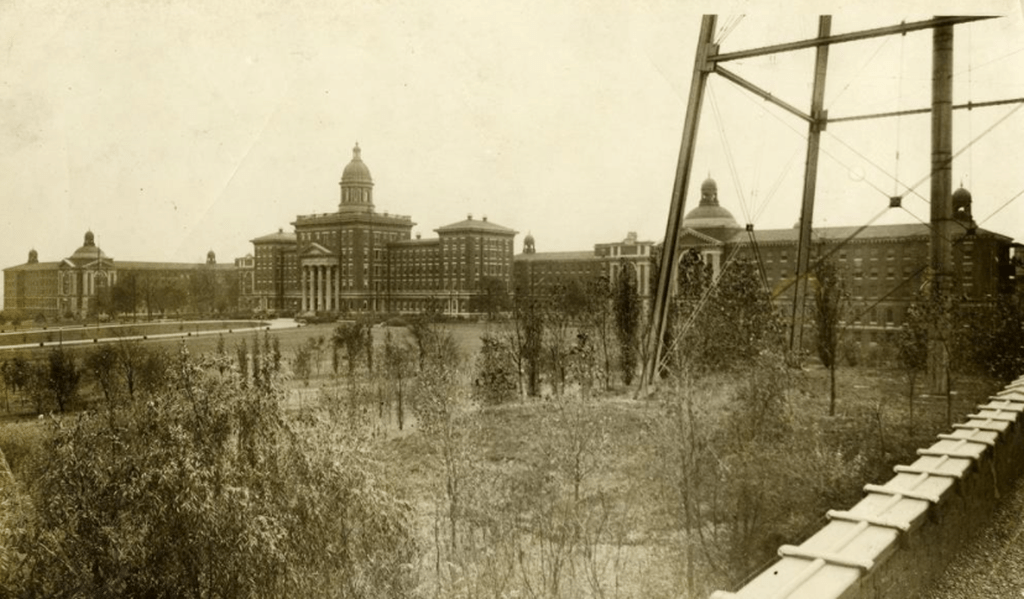
A building originally intended for 200+ patients now housed over 1,000. More room was needed, so in 1911, a construction plan began. By 1918, the building had grown to what you see below. Hawthorn Asylum’s size will be somewhere in between.
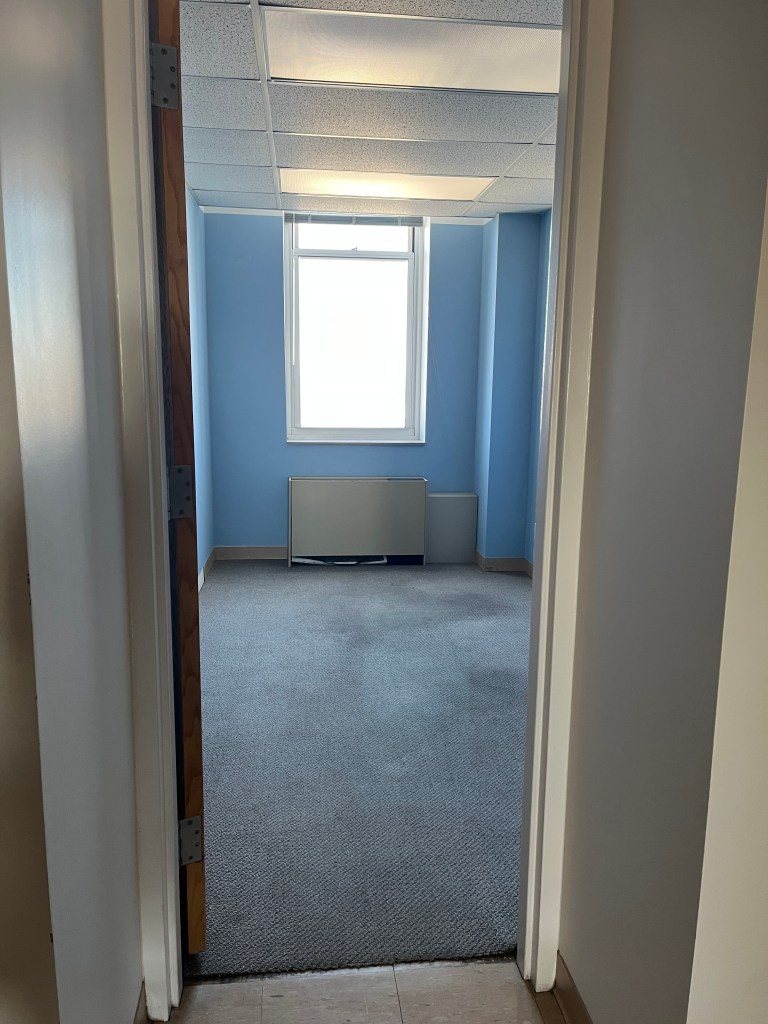
Unfortunately, with more patients being regularly admitted than there was space, and many never leaving, this plan only went so far. At several points throughout its history, the tiny room below housed as many as three people, and unlike a college dorm room, there was no option to bunk the beds.
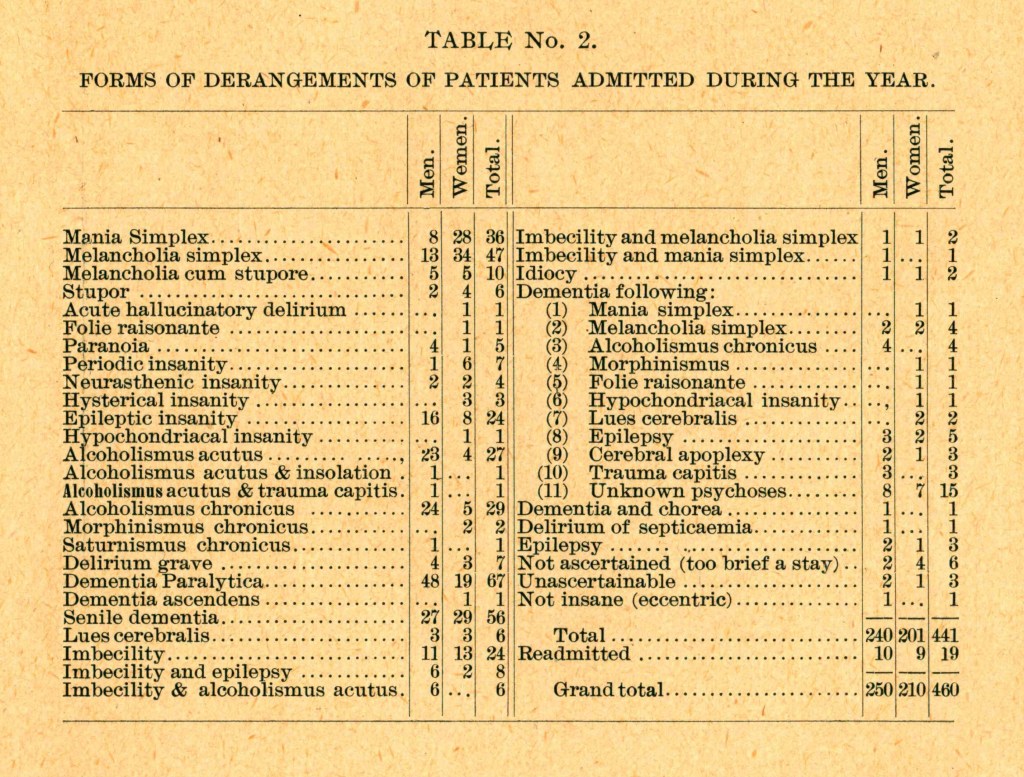
So, why were patients admitted? Honestly, for just about anything. There were real diagnoses such as we would think of today: depression (melancholia), bipolar (mania), alcohol and drug dependency, schizophrenia, and epilepsy, but also things like imbecility and hysteria which could cover a vast range of real and embellished disorders, especially those that went against social norms. Unruly wives, anyone who was too “spiritual,” and those with what we would consider developmental or learning disorders (for example autism, down syndrome, or dyslexia) could be candidates for admission. The table below outlines the reasons for admission in 1908. Note that 460 people were admitted that year alone, including 19 readmissions.
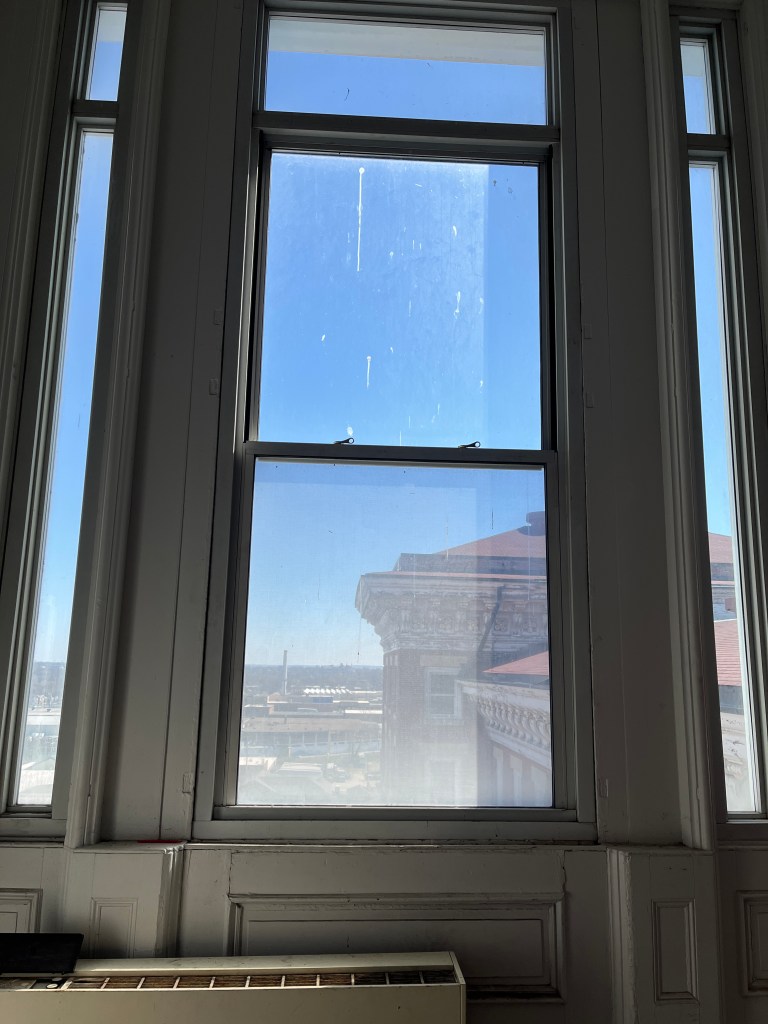
Even with the overcrowding, the asylum staff worked to make life pleasant for their patients. They hosted many events including picnics on the front lawn and dances in the fifth floor ballroom. Unfortunately, the ballroom is all but lost to time, so I was unable to get photographs there, but off the ballroom was a spiral staircase leading to the central dome which had some great views of the surrounding area. Back in the day, this would have been a popular tourist destination as well, with visitors (and staff) literally leaving their mark on the walls.


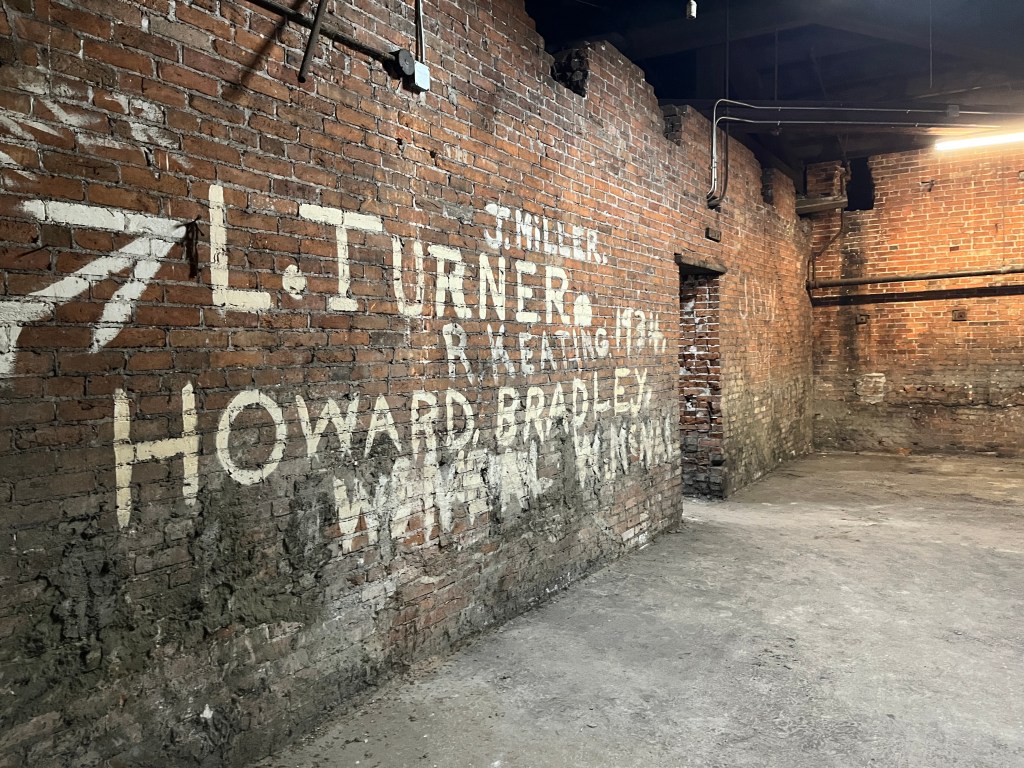

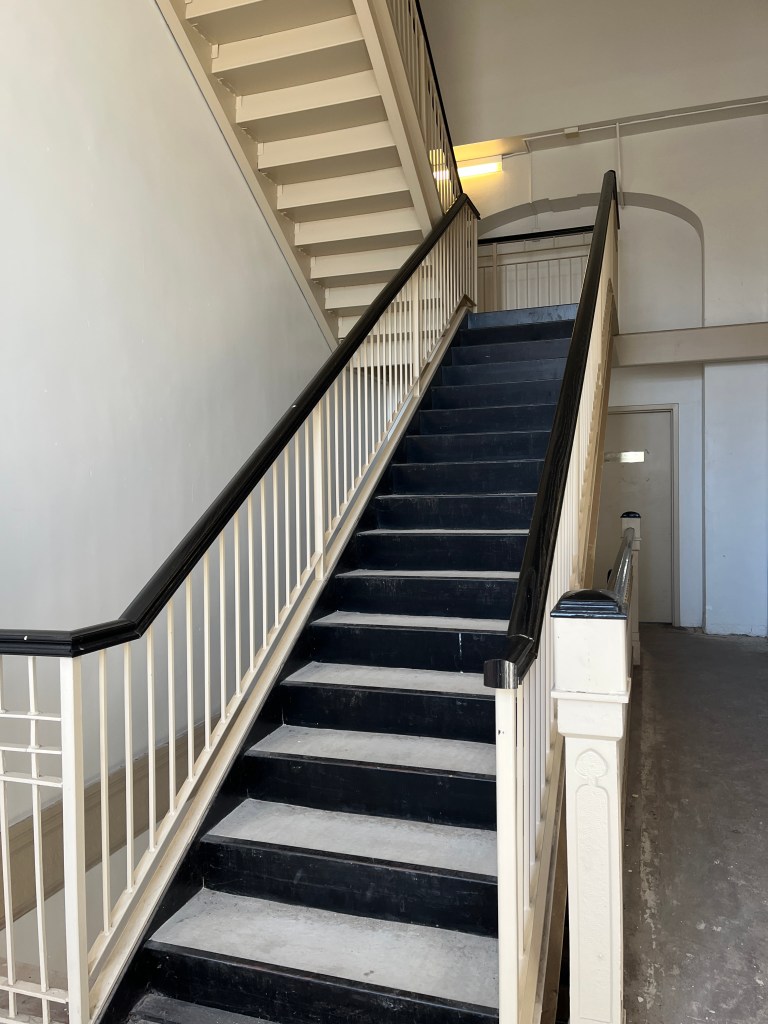
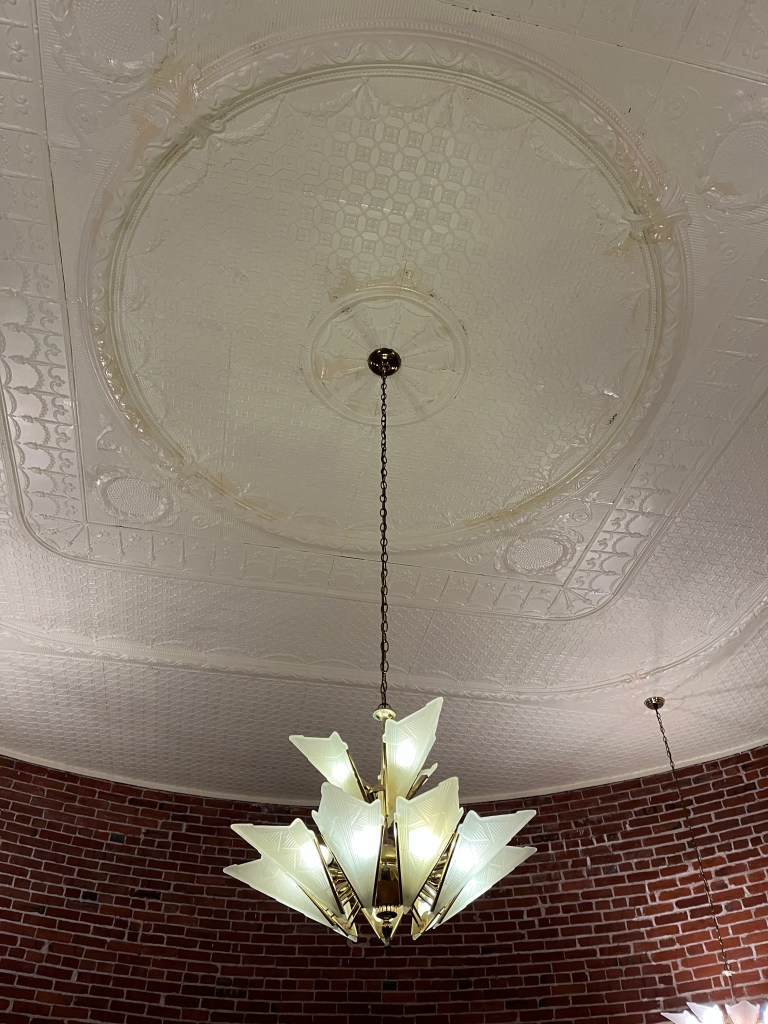
Below are a few more photos of the original architecture. Check out how tall the original doors were and how they framed them down over time. Also, the art deco lighting fixtures and 1930s stamped ceilings were so cool.

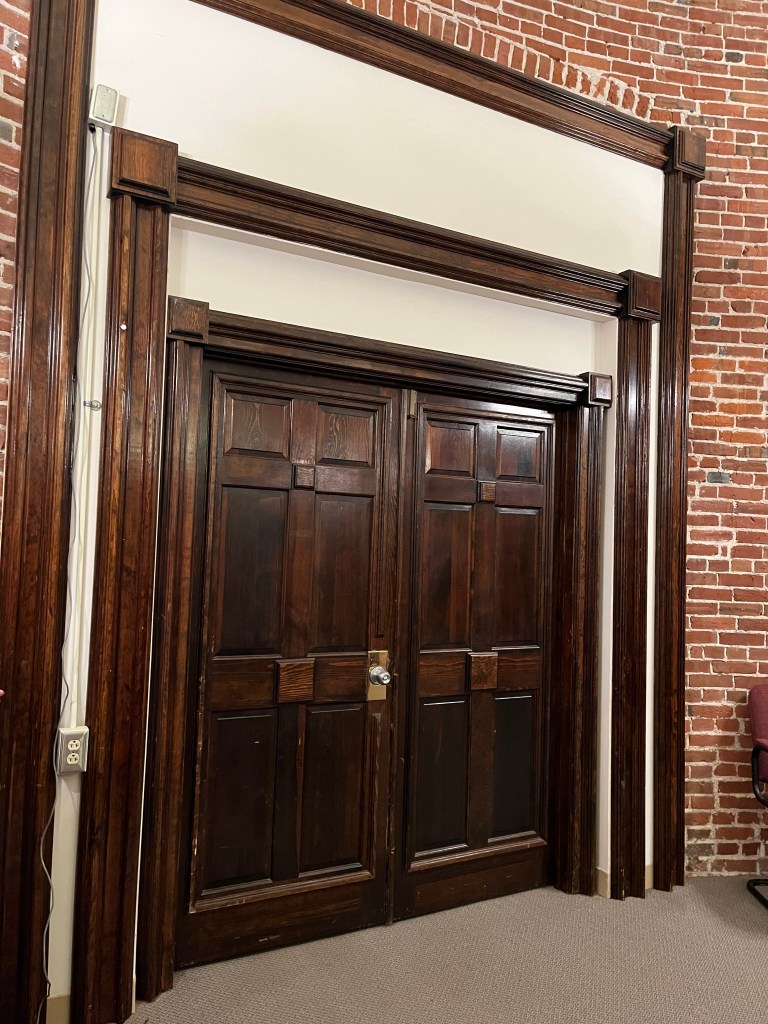
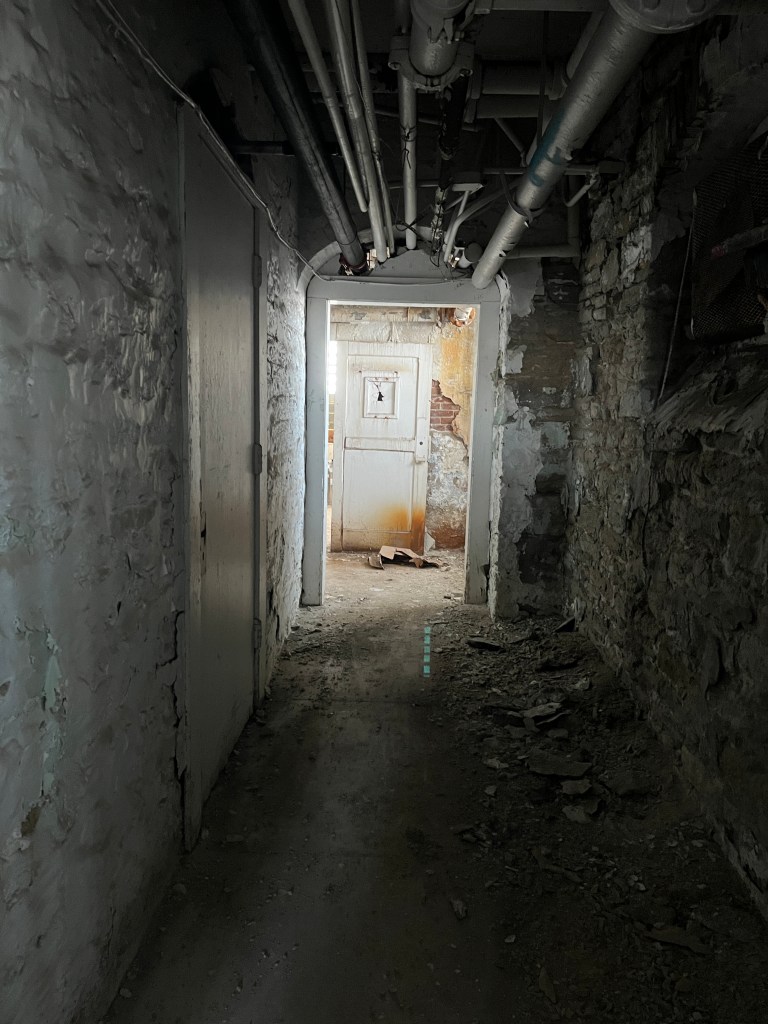
Finally, because everyone expects there to be creepy photos when you visit an asylum, here are a few from the basement, which really wasn’t all that creepy. The photo on the left led from the dentist office to other medical offices and the kitchens. The one on the right shows the arched supports that hold up the building. This area would have looked a lot nicer when the building was still in use by patients, with some parts having had a wood planked floor and ceiling. Now, the upper floors hold administrative offices, archives, and storage.

It’s been so interesting to dive into the history behind this asylum for my next novel, and I’m looking forward to merging many of the things I’ve learned with what my characters experience. If you’re ever in St. Louis, I highly recommend scheduling a tour. For more information, visit: https://dmh.mo.gov/ftc/history.
Releasing in May

Need another read? Here are the new releases I’m excited about:
- The Fire of Your Love by Erin Lewis – Having gone from criminal to Catholic convert, a young seminarian must determine if he can overcome his past in order to give God his future. This is book 3 in the series; I highly recommend reading them in order.
- Secret Dwellings by Angela Salvaggio – Amidst intrigue, escapades, romance, danger, and blackmail during the Protestant Reformation, a young woman is asked to lay down her life for another in a most unusual way.
- Gather Together by Allison Ramirez – The second book in her devotional series focusing on the luminous mysteries of the Rosary as invitations to intimacy
- Forest of Truth by Megan Lynn Rose – The exciting conclusion to her Broken Kingdom romantasy series
- The Bootlegger’s Betrayal by Tanya E. Williams – In the 1960’s, a journalist comes to report on the Bootlegging Queen’s Prohibition arrest, but there may be far more to the story than she ever imagined.
Want to know what I’m currently reading? Follow me on GoodReads.
Did you know reviews help both readers and authors? Even one sentence is enough, and every word greatly appreciated. Consider leaving a rating on Amazon, Goodreads, BookBub, and/or your favorite retailer!
Until next month, happy reading!
Ad Majorem Dei Gloriam
Kelsey
Purchase signed copies of my books: kelseygietl.com
Follow me on:


COPYRIGHT © KELSEY GIETL 2025
Purple Mask Publishing
2025 Zumbehl Rd, Ste. 33
St. Charles, MO 63303
